
Welcome to Shringar Wood Impex.
Post Your Requirment
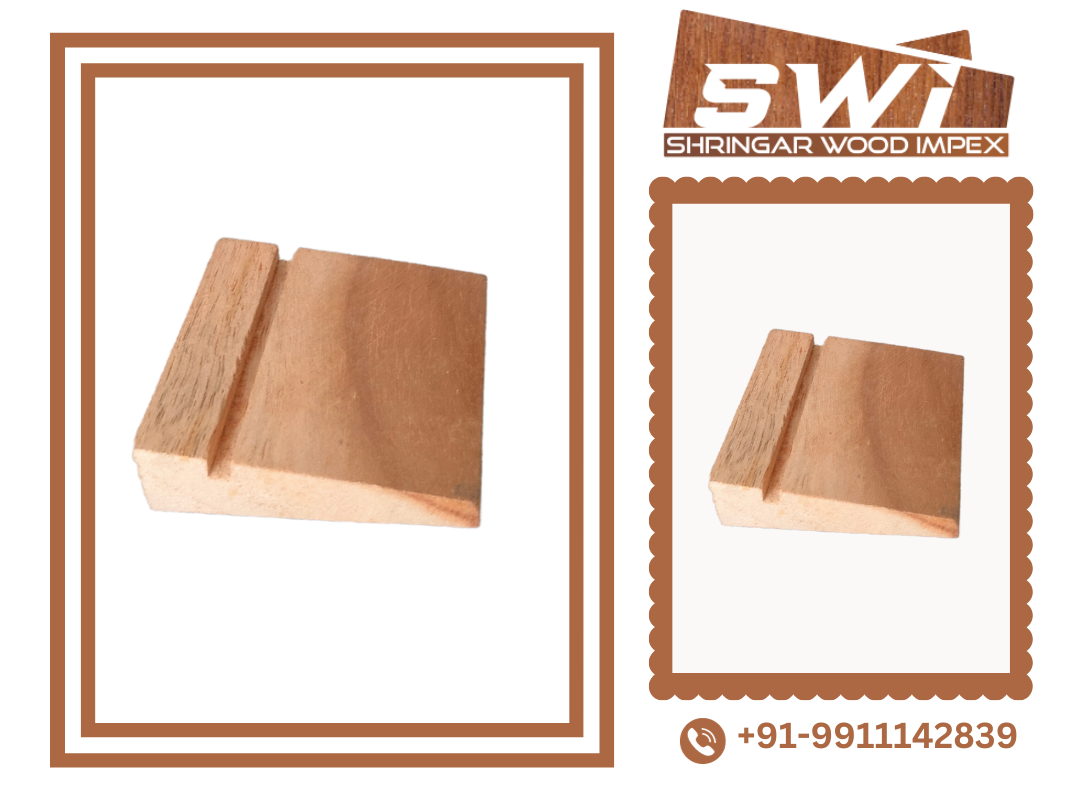
2" Kangi Wooden Moulding
A "Kangi Wooden Moulding" likely refers to a specific type or style of wooden molding used for decorative or architectural purposes. It may have unique characteristics or features that distinguish it from other types of wooden mouldings. "Kangi Wooden Moulding" doesn't seem to be a widely recognized term in English. However, based on the word "Kanghi," which could be of South Asian origin, it's possible that it refers to a type of wooden molding or trim used in traditional South Asian architecture.
The Role of 2" Kangi Wooden Moulding in Aesthetics
2" Kangi Wooden Moulding in aesthetics would depend on the specific design and placement within a given context. Generally, wooden moldings like the Kanghi style can play several aesthetic roles:
Enhancement of architectural features : Wooden moldings can add visual interest and detail to architectural elements such as doors, windows, ceilings, and walls. The intricate design of Kangi Wooden Moulding can contribute to the overall aesthetic appeal of a space.
Definition and framing : Moldings can be used to define and frame specific areas, such as doorways or windows, creating a sense of structure and order within a space. The 2" width of the Kangi Wooden Moulding may provide a substantial frame that draws attention to the architectural elements it surrounds.
Traditional or cultural aesthetics : Depending on the design and cultural significance, Kangi Wooden Moulding may evoke a sense of tradition or cultural heritage, adding depth and richness to the overall aesthetic of a space. It can contribute to creating a specific ambiance or style within a room or building.
FAQ's
Kangi Wooden Moulding is a type of wooden trim or molding characterized by its specific design, likely originating from a particular cultural or regional context. It typically features intricate patterns and is used for decorative purposes in architecture.
The 2" Kangi Wooden Moulding refers to the width of the molding, which is 2 inches. The length and depth may vary depending on the specific design and application.
Kangi Wooden Moulding is typically installed using nails, screws, or adhesive, depending on the surface it is being applied to and the desired permanence. Installation methods may vary based on the specific project requirements and the recommendations of the manufacturer or installer.
Kangi Wooden Moulding can be used for various decorative purposes, including framing doors and windows, accentuating architectural features such as ceilings and walls, and adding detail to furniture or cabinetry.
Kangi Wooden Moulding can be crafted from a variety of wood species, including hardwoods such as oak, maple, cherry, and mahogany, as well as softwoods like pine or cedar. The choice of wood can impact the appearance, durability, and cost of the molding.
Kangi Wooden Moulding can often be customized to suit specific design preferences or project requirements. Customization options may include variations in design, dimensions, wood species, and finishes.